Archived article. Information reflects its original publication date and may have changed. Call Kindred for current coverage questions.
The Strange History of Daylight Saving Time (And Why It May Disappear)
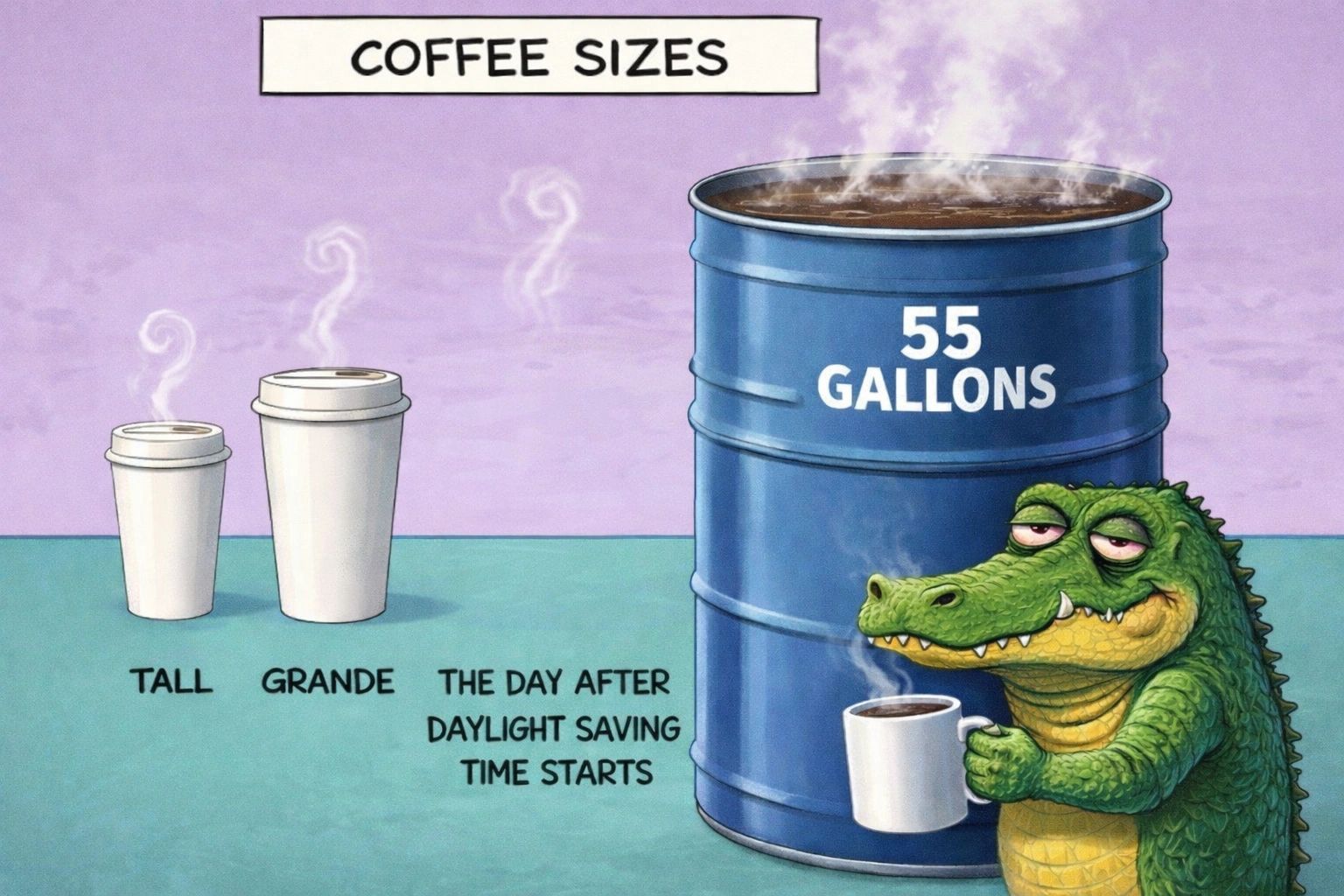
Every year most Americans experience the same thing when the clocks change.
You wake up groggy, the microwave says one time, your car says another, and everyone is asking the same question:
“Why are we still changing the clocks?”
Daylight Saving Time has been around for more than a century, but the reason it started—and why we still follow it today—surprises a lot of people.
Let’s break it down.
The Original Idea: Use the Sun Instead of Candles
The idea dates back to 1784, when Benjamin Franklin wrote a humorous essay suggesting people could save money on candles if they woke up earlier and used natural sunlight.
He wasn’t proposing changing the clocks yet—just pointing out that people were wasting daylight.
But the concept stuck.
The First Real Proposal
In 1895, New Zealand scientist George Vernon Hudson proposed something new: actually changing the clocks during summer months so people would have more daylight in the evening.
The idea was meant to give people more time outdoors after work.
At the time, most governments ignored the proposal.
World War I: When It Actually Started
Daylight Saving Time became reality during World War I.
Germany adopted it in 1916 to conserve fuel by reducing the need for electric lighting.
The United States followed in 1918 for the same reason.
The goals were simple:
• Save coal
• Reduce electricity usage
• Extend productive daylight hours
But the program quickly became unpopular—especially among farmers and rural communities—and many places abandoned it after the war.
World War II and “War Time”
During World War II, the United States brought the system back again.
From 1942 to 1945, the country operated under what was called “War Time,” a year-round version of Daylight Saving Time designed to conserve energy for the war effort.
The Time Zone Chaos
After World War II, there was no national rule about Daylight Saving Time.
Cities and states decided on their own whether to use it.
The result was confusion across the country.
In some places, a 35-mile bus trip could pass through multiple time changes because towns set their clocks differently.
To fix the problem, Congress passed the Uniform Time Act of 1966, which standardized when clocks change across the United States.
Why We Still Do It Today
Supporters say Daylight Saving Time:
• Provides more daylight in the evening
• Encourages outdoor activity and shopping
• May reduce evening crime
• Slightly lowers electricity use
Critics argue that:
• It disrupts sleep cycles
• It increases heart attacks and accidents right after the change
• Energy savings today are minimal
Because of this debate, many Americans would prefer to eliminate the clock change altogether.
States Trying to “Lock the Clock”
Across the country, many states have already passed legislation that would allow them to stop changing the clocks if federal law allows it.
States that have passed laws supporting permanent Daylight Saving Time include:
Alabama
Colorado
Delaware
Florida
Georgia
Minnesota
Mississippi
Montana
Oklahoma
South Carolina
Tennessee
Texas
Washington
Texas itself passed legislation supporting permanent Daylight Saving Time—sometimes called “Texas Time.”
However, these laws cannot take effect until federal law changes.
States That Already Do Not Change Clocks
Two states already avoid the clock change entirely.
Arizona (except the Navajo Nation)
Hawaii
These states simply stay on Standard Time year-round, which federal law allows.
The Federal Roadblock
Under the Uniform Time Act, states can choose to remain on Standard Time permanently or follow the national Daylight Saving Time schedule.
However, states cannot adopt permanent Daylight Saving Time on their own.
That is why Congress continues debating the Sunshine Protection Act, which would allow the entire country to stay on Daylight Saving Time all year.
For now, the clock changes remain.
What It Means for Texans
Texas still follows the standard schedule:
Spring: Clocks move forward one hour
Fall: Clocks move back one hour
If federal law changes in the future, Texas is already prepared to stop changing clocks entirely.
A Simple Reminder from Kindred Brokerage
The clock change is also a good reminder to check in on important things in life:
• Health insurance coverage
• Medicare plan reviews
• Life insurance protection
• Financial planning
Life moves fast—sometimes faster than the clock.
If you ever need help reviewing your Medicare, health insurance, or life coverage, the team at Kindred Brokerage is here to help.